Data Centers Become a Major U.S. Election Issue
Opposition to server facilities is spreading as technology-backed political spending grows.
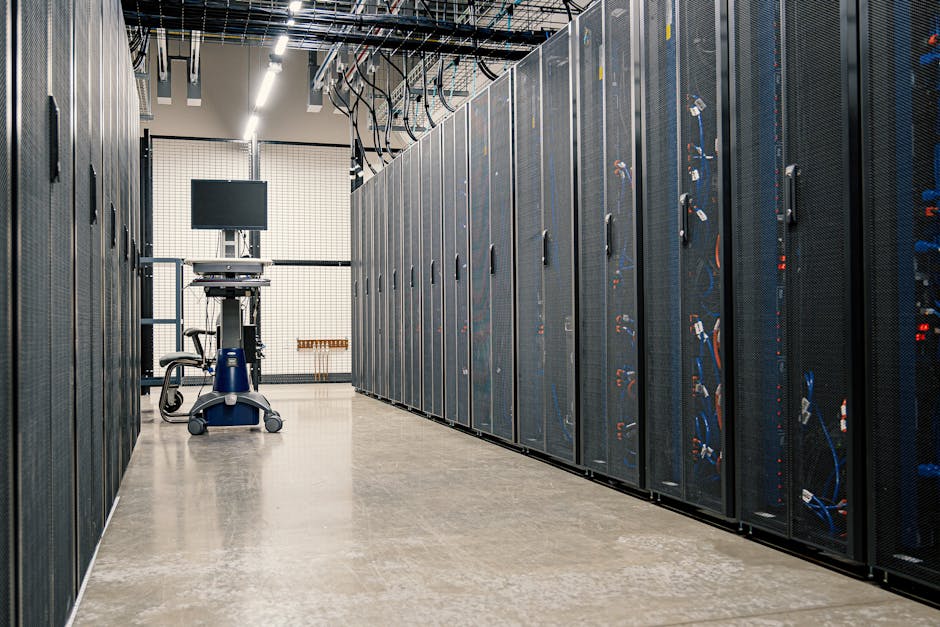
Data-center expansion has become a defining 2026 campaign issue as communities push back on new server facilities, supporting infrastructure and related costs. Candidates differ on whether development should pause entirely or continue under tighter local oversight. Political spending is rising alongside the debate: Leading the Future, supported by Marc Andreessen and Greg Brockman, spent $45 million within one year. Public First Action says it raised $80 million, while Tomorrow Together launched $4 million in advertising focused on competitive House races, AI safety and data-center construction.
Texas, which trails only Virginia in planned projects, shows how the issue crosses party lines. James Talarico and Ken Paxton both favor ending certain tax breaks and making operators cover energy-infrastructure expenses. Talarico’s July proposal adds community participation, closed-loop water systems for new facilities and federal protections for the grid and environment. Paxton’s August plan would restrict rural construction, require payment for electricity and added capacity, and block Chinese technology from powering U.S. facilities or infrastructure. Gina Hinojosa supports a statewide halt, while Gov. Greg Abbott announced an August 2026 audit that could delay new grid connections.
Florida’s governor candidates offer another contrast. David Jolly promises a one-year prohibition on hyperscale facilities upon taking office and may extend it permanently. Byron Donalds opposes a full ban but introduced a July measure requiring developers to finance the water and energy their operations need. An October survey from NBC6 and Telemundo Station Group found statewide opposition at 45 percent, support at 38 percent and 17 percent undecided. Opposition rose to 59 percent when respondents considered projects near their own communities. Donalds led Jolly 48 percent to 41 percent; the error margin was four percentage points in either direction.
- Leading the Future spent $45 million in one year.
- Public First Action says it raised $80 million.
- Tomorrow Together launched $4 million in House-race advertising.
- Texas ranks second to Virginia in planned data-center projects.
- Florida community-level opposition reached 59 percent.
Source: The Verge AI ↗
Summarized from the reporting above. Read it for the full story.
An AI receptionist that answers your business calls around the clock, so no lead goes to voicemail.
See how it works →

Get briefs like this by email